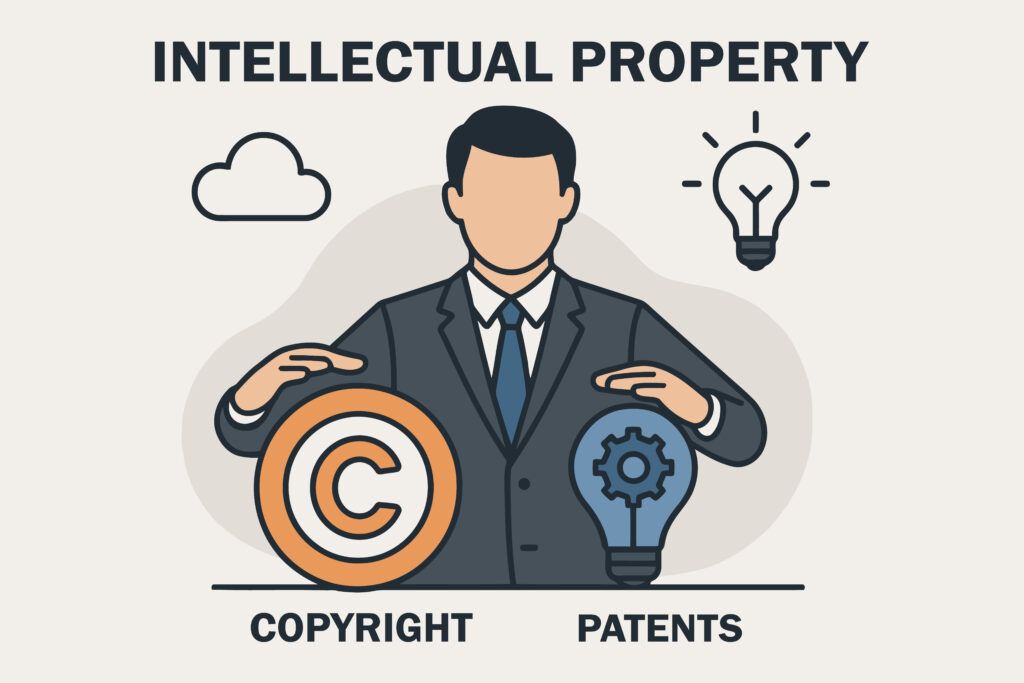
Launching a startup in the UAE is an exciting opportunity, particularly in rapidly growing sectors such as technology, e-commerce, fintech, healthcare, logistics, and digital services. However, many entrepreneurs focus heavily on operations, funding, and marketing while overlooking one of the most valuable business assets, intellectual property (IP).
Without proper intellectual property protection, startups risk losing their brand identity, innovations, creative assets, and competitive advantage. Whether you are establishing a mainland company, free zone entity, or expanding internationally, securing your IP rights early can help prevent legal disputes and support long-term business growth.
This startup IP checklist explains the essential intellectual property steps every entrepreneur should take before launching a business in the UAE.
Why Intellectual Property Protection Matters for Startups
Intellectual property rights protect the intangible assets that make your business unique. For startups, IP protection can:
- Safeguard your brand reputation
- Prevent competitors from copying your products or services
- Increase investor confidence
- Support business valuation
- Enable licensing and franchising opportunities
- Reduce risks of legal disputes
- Strengthen your position in UAE and GCC markets
A strong IP strategy is no longer optional for startups operating in competitive industries.
Startup IP Checklist for UAE Businesses
1. Register Your Trademark Early
Your business name, logo, slogan, and brand identity are among your most valuable assets.
Trademark registration in the UAE gives your startup exclusive legal rights to use your brand within your registered classes of goods and services. Without trademark protection, another business may register a similar brand and create serious legal and commercial challenges. Important Trademark assets to protect include:
Company name
- Brand name
- Logo
- Product names
- Taglines and slogans
- App names
- Packaging designs
Startups should also conduct a trademark availability search before finalising their brand identity.
2. Protect Copyrighted Content
Copyright protection applies to original creative works, including digital and business content.
Many startups unknowingly expose themselves to copyright infringement risks by using unlicensed materials or failing to secure ownership of their own content. Copyright Assets startups should protect:
- Website content
- Marketing materials
- Software code
- Mobile applications
- Videos and graphics
- Product catalogues
- Training materials
- Social media content
3. Secure Patents for Innovative Products or Technology
If your startup has developed a new invention, process, system, or technology, patent filing may be essential.
Patent protection grants exclusive rights over an invention and prevents competitors from commercially exploiting it without permission. Innovations That May Be Patentable:
- Software-related innovations
- Engineering systems
- Manufacturing processes
- Medical technologies
- AI-based systems
- Fintech solutions
- Industrial designs
4. Use Strong Confidentiality Agreements
Many startups discuss business ideas with investors, developers, consultants, manufacturers, and employees before launch.
Without confidentiality agreements, sensitive business information may be exposed or misused.
Confidentiality measures are especially important for startups handling proprietary technology, trade secrets, and customer data.
5. Secure Domain Names and Digital Assets
Your online presence is directly linked to your brand identity. Startups should secure:
- Primary domain names
- Country-specific domains
- Social media handles
- Mobile app usernames
- Marketplace brand profiles
This helps prevent cybersquatting, impersonation, and online brand abuse.
6. Ensure Employee and Founder IP Ownership
One of the most common startup mistakes is failing to clearly define intellectual property ownership between founders, employees, and contractors. Without proper agreements, disputes may arise over:
- Software ownership
- Product designs
- Source code
- Business processes
- Creative assets
7. Conduct an IP Audit Before Launch
An intellectual property audit helps startups identify valuable assets and potential legal risks before entering the market. An IP Audit should review:
- Trademark availability
- Copyright ownership
- Patent opportunities
- Licensing risks
- Third-party software use
- Website legal compliance
- Existing IP infringement risks
Regular IP audits can help businesses avoid expensive legal disputes later.
FAQs
1. What is intellectual property for startups?
Intellectual property refers to legal rights protecting creations such as brands, inventions, software, content, and designs developed by a business.
2. Why is trademark registration important in the UAE?
Trademark registration protects your brand identity and gives exclusive legal rights to use your brand within registered categories.
3. Can startups register patents in the UAE?
Yes. Startups can file patents for eligible inventions, processes, systems, and innovative technologies.
4. Does copyright protection apply automatically?
Copyright protection generally arises automatically upon creation of original work, but formal registration may strengthen legal enforcement.
How Jitendra Intellectual Property Can Help You
At Jitendra Intellectual Property, we help startups and growing businesses secure, manage, and enforce their intellectual property rights across the UAE and GCC region.
Our services include:
- Trademark registration UAE
- Copyright protection services
- Patent filing and advisory
- IP portfolio management
- Intellectual property audits
- Brand protection strategies
- IP litigation support
- International IP registration assistance
Whether you are launching a technology startup, e-commerce business, creative agency, healthcare venture, or manufacturing company, our experienced IP consultants can help you protect your business assets from day one.
Contact Jitendra Intellectual Property today to discuss your startup’s intellectual property protection strategy in the UAE.